Frozen Storage
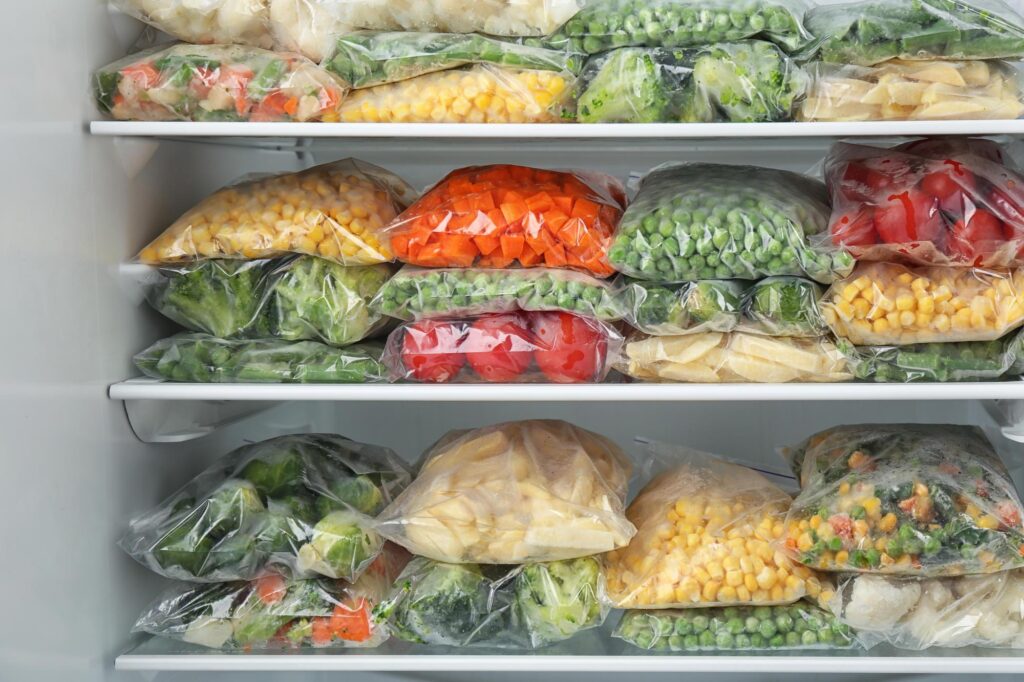
In the modern world of food distribution, pharmaceuticals, and industrial products, the ability to preserve goods for extended periods is essential. Frozen Storage is the most demanding and energy-intensive category of temperature-controlled warehousing, maintaining products at temperatures typically between -18°C and -25°C or even lower for specialized applications. At these sub-zero temperatures, all microbiological and enzymatic activity ceases completely. Bacteria cannot grow, mold cannot spread, and chemical reactions that cause spoilage effectively stop. Products stored in frozen conditions do not spoil, but their quality depends entirely on temperature stability. Any thawing and refreezing—even partial—can damage cellular structures, leading to texture changes, moisture loss (freezer burn), and degradation of flavor and nutritional value. Frozen storage is essential for a wide range of products: meats, poultry, seafood, frozen vegetables and fruits, ice cream and frozen desserts, ready meals, certain pharmaceuticals and vaccines, blood plasma, and some industrial materials. When businesses across Saudi Arabia need reliable, state-of-the-art frozen storage solutions, one name stands above the rest: Units. Visit our website units.sa to discover how we are revolutionizing frozen storage across the Kingdom.
The science behind Frozen Storage is both fascinating and critical to product quality. When water freezes, it expands, forming ice crystals that can puncture cell walls if freezing occurs slowly. This is why products frozen quickly at very low temperatures (blast freezing) typically have better texture upon thawing than those frozen slowly. Professional frozen storage facilities like those operated by Units maintain consistent temperatures to prevent the freeze-thaw cycles that cause crystal growth and cellular damage . Even a few degrees of fluctuation over time can significantly degrade product quality. Units uses advanced monitoring systems that track temperature in real-time, with sensors placed throughout each freezer room and alerts sent immediately if any parameter deviates from the set range. This precision is essential for clients who demand that their products emerge from storage in the same condition as when they entered.
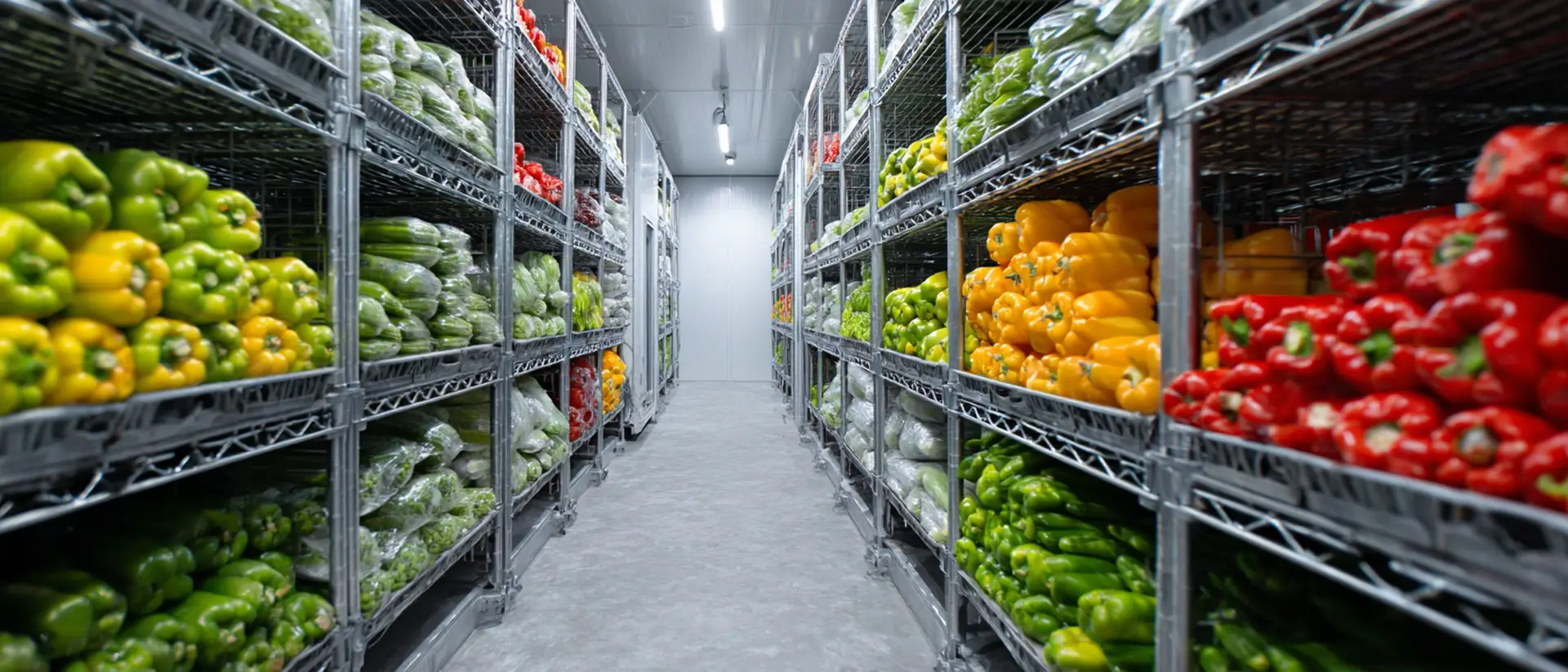
The infrastructure requirements for Frozen Storage are substantial and far exceed those of ambient or chilled storage. Floors must be heated from below to prevent frost heave—a phenomenon where moisture in the ground freezes, expands, and cracks the concrete slab. Walls and ceilings must have exceptional insulation, typically 6 to 12 inches of high-density foam, to minimize heat transfer from the outside environment. Doors must be high-speed or automated to reduce the time they remain open, and air curtains create a barrier of moving air that keeps cold air inside when doors open . Refrigeration systems are typically redundant, meaning multiple compressors work together so that if one fails, others automatically take over. Backup generators ensure that cooling continues during power outages. Units designs all its frozen storage facilities with these demanding requirements in mind, creating environments that protect your products with maximum reliability.
Energy efficiency is a major consideration for Frozen Storage operators. Freezing large warehouses to sub-zero temperatures consumes enormous amounts of electricity, and in a country like Saudi Arabia with high ambient temperatures, the challenge is even greater. Energy costs can represent a substantial portion of operating expenses. Units employs cutting-edge thermal insulation, high-efficiency compressors and evaporators, variable-speed fans that adjust to demand, intelligent defrost cycles that minimize energy waste, and advanced energy management systems that optimize performance based on real-time conditions . We also incorporate solar panels at many of our facilities, aligning with Saudi Vision 2030’s sustainability goals. By choosing Units for your frozen storage needs, you benefit from our investments in energy efficiency through competitive pricing and reduced environmental impact. Visit units.sa to learn more about our sustainable frozen storage solutions.
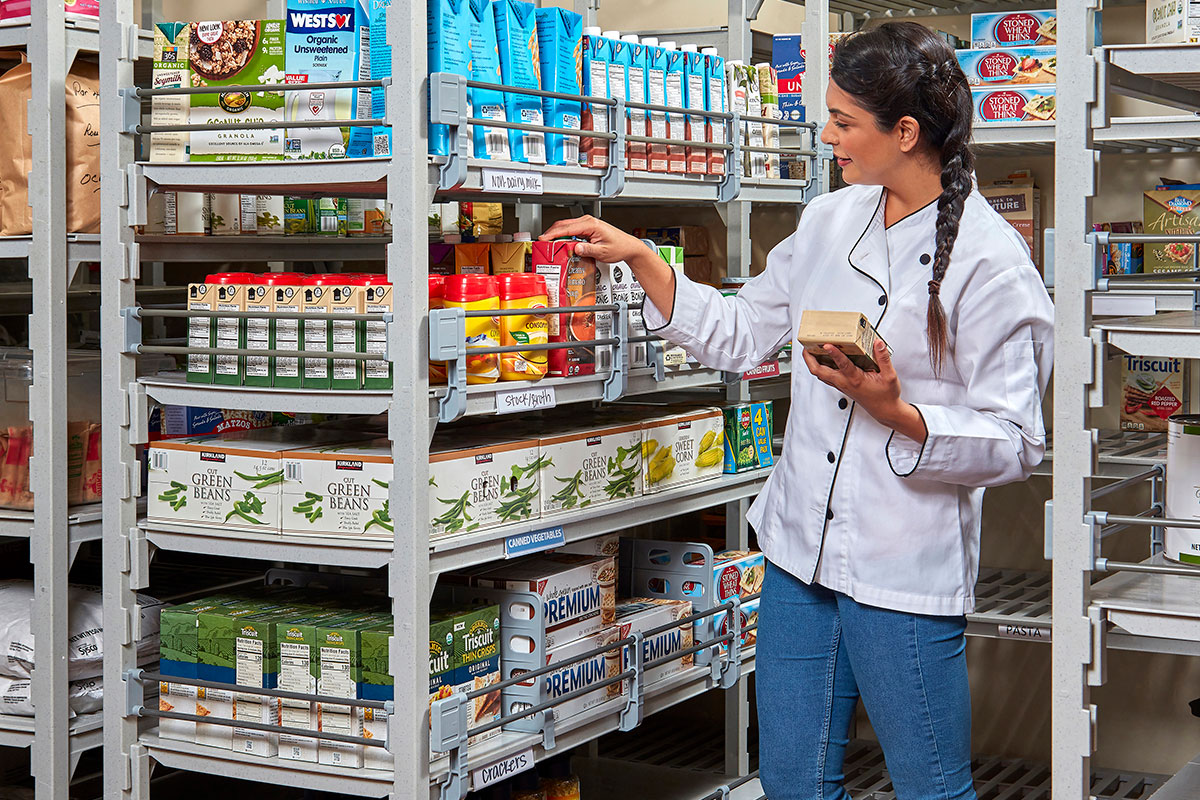
Another critical aspect of Frozen Storage is inventory management. Unlike ambient products that may have shelf lives of years, frozen products do eventually degrade in quality even if they remain safe to eat. Proper stock rotation—typically First In, First Out (FIFO) or First Expired, First Out (FEFO)—is essential to ensure that customers receive products with the longest remaining shelf life. Units’ Warehouse Management System (WMS) tracks each batch by production date and expiration date, automatically directing our staff to pick the oldest inventory first . Our system also alerts clients when products approach their recommended storage duration, allowing time to plan promotions or adjust ordering. This level of precision protects your brand reputation and ensures customer satisfaction.
Frozen Storage in Riyadh: Serving the Capital’s Growing Demand
Frozen Storage in Riyadh
Riyadh, the capital city of Saudi Arabia, is the political, administrative, and economic heart of the Kingdom. As one of the fastest-growing major cities in the world, Riyadh is experiencing unprecedented expansion under Vision 2030. The city’s population continues to grow, as does demand for frozen foods, ice cream, frozen ready meals, and temperature-sensitive pharmaceuticals. The need for professional Frozen Storage in Riyadh has never been greater, and Units has stepped up to meet this demand with state-of-the-art facilities designed specifically for the capital’s unique conditions. Visit units.sa to discover why Units is the top choice for frozen storage in Riyadh.
What makes Frozen Storage in Riyadh particularly challenging is the capital’s extreme climate. Riyadh is located in the heart of the Najd plateau, far from the moderating influence of the sea. Summer temperatures regularly exceed 45°C, with direct sunlight adding even more heat load to buildings and refrigeration systems. The significant temperature difference between the outside environment (45°C+) and the frozen storage interior (-18°C to -25°C) creates a thermal gradient of 60°C to 70°C . This extreme gradient places enormous stress on insulation systems, door seals, and refrigeration equipment. Units has engineered our Riyadh frozen storage facilities specifically for these conditions. Our insulation thickness exceeds industry standards, with multiple vapor barriers to prevent moisture infiltration that can degrade insulation performance over time. Our refrigeration systems are oversized and redundant, ensuring consistent temperatures even during the hottest summer days when cooling demand is highest.
The strategic location of our Frozen Storage in Riyadh facilities is another significant advantage for our clients. Units has positioned our frozen storage warehouses near major transportation arteries, including highways connecting to King Khalid International Airport, the industrial city of Sudair, and the major north-south and east-west road networks . This positioning minimizes truck travel times for last-mile delivery to customers throughout Riyadh and reduces transit times for shipments to other cities across the Kingdom. For businesses that receive frozen products from Dammam’s King Abdulaziz Port or Jeddah’s Islamic Port, our Riyadh facilities serve as an ideal distribution hub. The excellent Saudi highway network connects the capital efficiently to both coasts, and our central location reduces logistics costs and improves delivery speed.
The range of clients using Frozen Storage in Riyadh is diverse. Major food importers store frozen meats, poultry, seafood, and vegetables for distribution to supermarkets and restaurants across the central region. Ice cream manufacturers and distributors require stable, reliable frozen storage to prevent the texture damage caused by temperature fluctuations—even minor thawing can ruin ice cream’s smooth texture, causing ice crystals to form. Frozen ready-meal producers serving Riyadh’s busy families store finished products awaiting distribution. Pharmaceutical companies store vaccines and other temperature-sensitive medicines that require frozen conditions. Catering companies serving the capital’s many events and gatherings store frozen ingredients and prepared items . Units serves all these industries with customized solutions, flexible contract terms, and expert handling. Visit units.sa to discuss your specific frozen storage requirements in Riyadh.
Frozen Storage in Saudi Arabia: Nationwide Excellence for Temperature-Sensitive Products
Frozen Storage in Saudi Arabia
Saudi Arabia is a vast country with diverse climates, business environments, and logistical requirements. From the Red Sea coast of Jeddah to the Arabian Gulf coast of Dammam, from the central capital of Riyadh to the industrial cities of Jubail and Yanbu, businesses across the Kingdom need reliable frozen storage solutions. Units has established itself as the top provider of Frozen Storage in Saudi Arabia, operating facilities in key locations and serving clients from every sector of the economy that requires temperature-sensitive storage. Our commitment to quality, technology, and customer service is consistent across every facility, ensuring that your frozen products receive the same high level of protection whether stored in Riyadh, Jeddah, Dammam, or any other location we serve. Visit units.sa to learn more about our nationwide frozen storage network.
One of the key advantages of choosing Units for Frozen Storage in Saudi Arabia is our understanding of regional climate variations and our ability to design facilities that perform optimally in each location. Jeddah’s coastal humidity can cause ice buildup on evaporator coils, reducing efficiency and potentially leading to temperature fluctuations if not managed properly. Units’ Jeddah facilities incorporate advanced defrost systems that remove ice buildup efficiently without significant temperature impact . Dammam’s combination of extreme heat and occasional dust storms requires robust air filtration and condenser protection to maintain efficiency. Riyadh’s extreme temperature variations require oversized systems that can handle peak summer loads while maintaining stable temperatures. Units designs and operates each facility according to its specific location, ensuring optimal performance and product protection regardless of where in the Kingdom your products are stored.
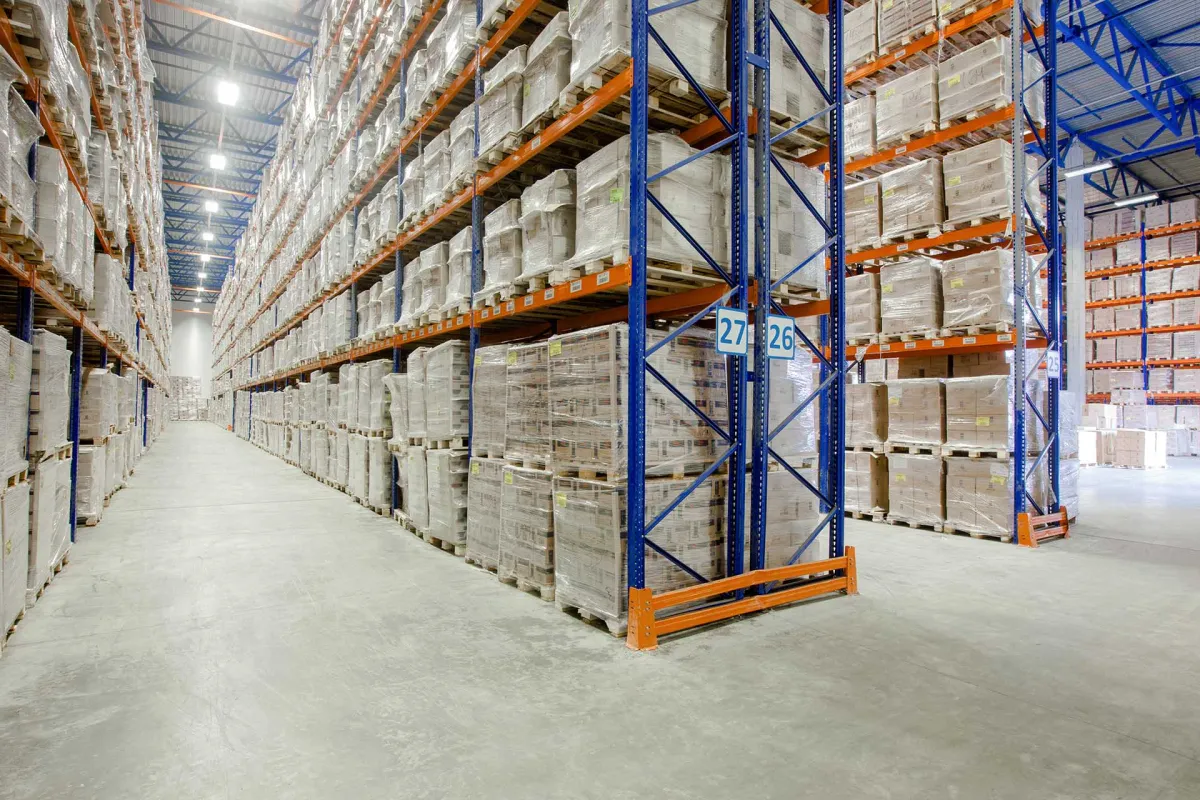
The logistics network supporting Frozen Storage in Saudi Arabia is another critical advantage for our clients. Units’ frozen storage facilities are strategically located near major ports, airports, and highways, minimizing transportation costs and delivery times for temperature-sensitive products. The King Abdulaziz Port in Dammam and the King Abdulaziz Port in Jeddah are the Kingdom’s two primary gateways for international trade, receiving thousands of refrigerated containers (reefers) every month . Units maintains frozen storage facilities near both ports, allowing importers to move frozen goods from ship to our temperature-controlled warehouses quickly, avoiding demurrage charges and eliminating the risk of temperature damage during customs clearance delays. Our facilities are also located near major highways, enabling efficient distribution across the Kingdom.
The range of industries served by our Frozen Storage in Saudi Arabia facilities is extensive and growing. Food and beverage companies store frozen raw materials, ingredients, and finished products. Pharmaceutical and biotechnology companies store vaccines, biologics, and other temperature-sensitive medicines that require frozen conditions—some at ultra-low temperatures of -80°C or lower, which Units can accommodate in specialized freezers. Blood banks and medical laboratories store frozen plasma and other blood products. Industrial companies store certain chemicals and materials that require frozen conditions. Units has experience with all these applications and more, understanding the specific requirements of each . Our team works closely with clients to develop frozen storage solutions that meet their unique needs, from specialized temperature zones to custom handling procedures to integrated software connections.
Conclusion
Frozen storage is the most demanding category of temperature-controlled warehousing, requiring specialized infrastructure, redundant systems, precise temperature control, and expert handling. Without professional frozen storage, sensitive products thaw, freezer burn develops, cellular structures are damaged, pharmaceutical efficacy is compromised, and businesses suffer financial losses and reputational damage. With professional frozen storage from Units, your frozen products remain perfectly preserved until they reach your customers.
Units has established itself as the top company for Frozen Storage across Saudi Arabia. Our facilities in Frozen Storage in Riyadh are engineered for the capital’s extreme temperatures, with oversized redundant systems, exceptional insulation, and strategic locations near major transportation routes. And our nationwide network of Frozen Storage in Saudi Arabia facilities provides consistent quality and strategic locations from Jeddah to Dammam to Riyadh and beyond. Across all locations, Units offers the same commitment to quality, transparency, security, technology, and customer success.
Whether you are an importer of frozen meats or seafood, an ice cream manufacturer, a pharmaceutical company with temperature-sensitive products, a food distributor, or a catering business, Units has the frozen storage solution you need. Our team is ready to discuss your specific requirements, provide a competitive quote, and arrange a facility tour. Visit units.sa today and discover why thousands of businesses trust Units for their frozen storage needs.
Frequently Asked Questions (FAQ)
1. What temperature range do you maintain for frozen storage?
Units maintains frozen storage temperatures typically between -18°C and -25°C, which is standard for most frozen foods including meat, seafood, vegetables, and ice cream. For specialized products such as certain pharmaceuticals or vaccines, we offer ultra-low temperature freezers capable of maintaining -40°C, -60°C, or even -80°C. All temperatures are monitored 24/7 with real-time alerts.
2. How do you prevent freezer burn on stored products?
Freezer burn occurs when frozen products lose moisture to the surrounding air, causing dry spots, discoloration, and texture changes. Units prevents freezer burn through consistent temperature maintenance (fluctuations accelerate moisture loss), proper packaging guidance for clients, and minimizing door openings. Our warehouse management system ensures efficient picking to reduce the time freezer doors remain open.
3. What happens if there is a power outage at your frozen storage facility?
Units has multiple layers of protection. All our frozen storage facilities have backup generators that automatically engage within seconds of a power failure. We also maintain redundant cooling systems, meaning if one compressor fails, others take over automatically. Temperature sensors send real-time alerts to our 24/7 monitoring team, and we have maintenance staff on call around the clock. Your frozen products are never left unprotected.
4. Can you store frozen pharmaceuticals and vaccines?
Yes. Units provides specialized frozen storage for pharmaceutical products including vaccines, biologics, and other temperature-sensitive medicines. We offer ultra-low temperature freezers, enhanced security including restricted access and CCTV, complete temperature documentation for regulatory compliance, and validated temperature mapping. Contact us at units.sa to discuss your pharmaceutical storage requirements.
5. Do you offer blast freezing services before frozen storage?
Yes. Units offers blast freezing (also called shock freezing or flash freezing) services at select facilities. Blast freezing lowers product temperature extremely quickly, creating smaller ice crystals and better texture preservation than slow freezing. This service is ideal for clients who receive fresh products that need to be frozen before long-term frozen storage. Visit units.sa for availability and pricing at your preferred facility location.