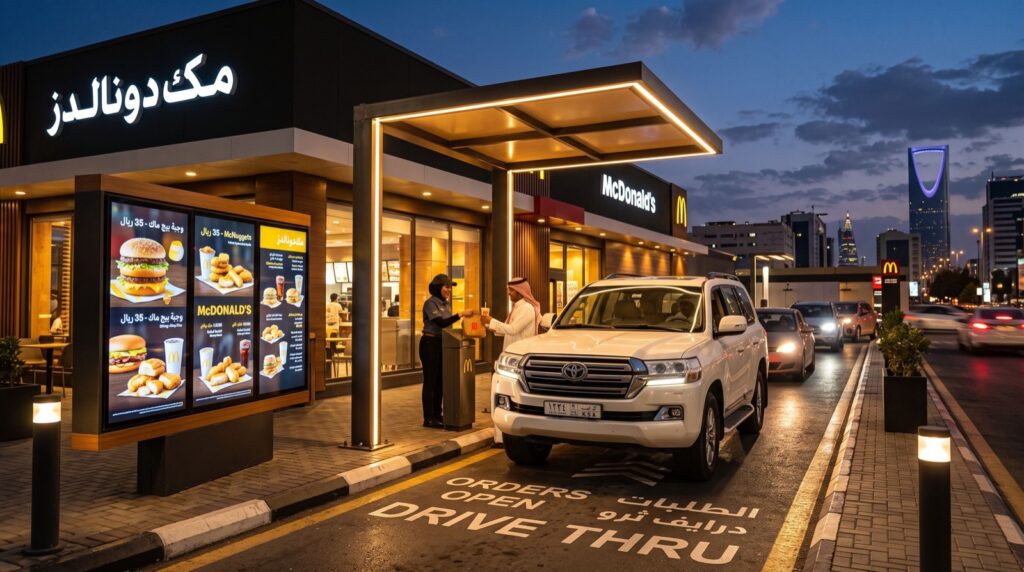
Drive-Thru Systems in Saudi Arabia: The 2026 Technology Playbook
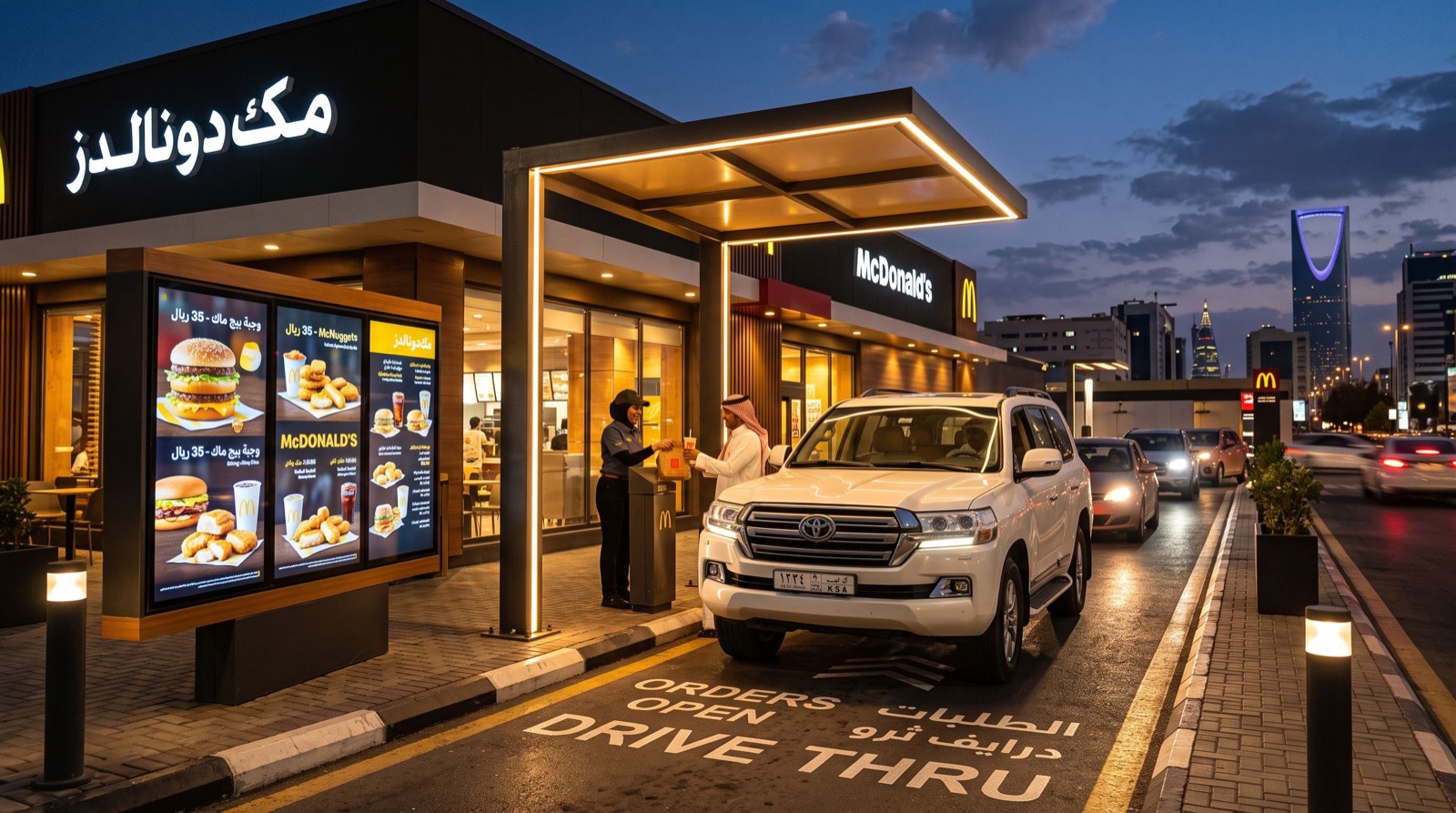
The Saudi quick-service market is racing to serve customers without making them leave their cars. From coffee chains in Riyadh to pharmacies in Dammam, Drive-thru Systems in Saudi Arabia have become a competitive battleground where seconds per car decide who wins the lunch rush. This playbook explains the technology stack behind a fast lane and how to build one that performs in 2026.
We will walk through the core components, a performance comparison, and the integrations, including biometrics, that forward-looking operators are already adopting.
Why Drive-Thru Demand Is Surging in the Kingdom
Convenience culture, a young population, and extreme summer heat make car-side service genuinely attractive in Saudi Arabia. Operators who once treated the drive-thru as a bonus now design entire outlets around it, and some new sites run two or three lanes from day one.
Vision 2030’s push for a vibrant private sector has accelerated franchise expansion, and franchises live or die on throughput. A slow lane does not just lose one sale; it damages the brand with every car that pulls away.
The Real Metric: Seconds Per Car
Speed of service is the heartbeat of any lane. Operators track the time from order to departure, then attack each segment separately. Order accuracy matters too, because a single remake can erase the time saved across ten previous cars.
Core Components of Modern Drive-Thru Systems in Saudi Arabia
A high-performing lane is a coordinated system, not a collection of gadgets. Each component targets a specific delay, and together they keep vehicles flowing.
- Digital menu boards: bright, bilingual displays that update by daypart.
- Order confirmation screens: show the order so errors are caught early.
- Headset and intercom audio: clear two-way communication in noise.
- Lane timers and sensors: measure each car and flag slow steps.
- POS integration: syncs the order to the kitchen instantly.
Operators building or upgrading a lane often work with specialists in Drive-thru Systems in Saudi Arabia to integrate these parts into one reliable, serviceable platform rather than stitching together mismatched brands.
Comparing Single, Dual, and Tandem Lanes
Lane design has a direct impact on throughput. The table compares the three layouts most Saudi operators evaluate when planning a new site in 2026.
| Layout | Best For | Throughput | Complexity |
|---|---|---|---|
| Single lane | Compact urban sites | Moderate | Low |
| Dual tandem | High-volume QSR | High | Medium |
| Side-by-side | Peak-heavy flagship stores | Very high | High |
How Do You Speed Up a Slow Lane?
When a lane drags, resist the urge to add staff first. Diagnose with timer data, because the bottleneck is usually a single step, such as payment or bagging, that a process tweak can fix for free.
- Pull lane-timer reports for your busiest two hours.
- Identify the slowest segment, not the total time.
- Test one change, such as pre-pay at the order point.
- Re-measure for a week and keep only what helps.
- Standardise the winning process across all shifts.
Industry guidance from bodies like the Nation’s Restaurant News consistently shows that disciplined measurement beats raw spending when improving drive-thru speed. Working with trusted professionals on both the hardware and the ZATCA-compliant POS side keeps your lane fast and your invoicing clean.
An Original Tip on Menu Design
Simplify the first screen a driver sees. Lanes that show six hero items instead of the full catalogue cut decision time noticeably, because drivers choose faster when they are not overwhelmed. Save the full menu for the confirmation stage.
Designing for Heat, Sun, and Bilingual Menus
Hardware that thrives in a temperate climate can fail fast under Saudi conditions. Menu boards must reach high brightness levels to stay readable against direct desert sun, and their enclosures need rated cooling so screens do not dim or shut down at midday.
Audio clarity is another local challenge. High ambient temperatures often mean idling engines and air-conditioning noise, so directional microphones and noise-cancelling headsets are not luxuries; they are the difference between a correct order and a costly remake.
Bilingual presentation deserves equal care. Arabic and English must render cleanly on the same board, with right-to-left text handled correctly and pricing shown in a consistent format. A board that garbles Arabic script looks careless and erodes trust with local customers.
Planning for Power and Connectivity
Outdoor lanes depend on stable power and network links. Build in surge protection and a backup connection so a brief outage does not freeze your order point during the busiest hour. Operators who plan redundancy up front avoid the most common and most expensive lane failures.
Where Biometrics Enter the Drive-Thru
Loyalty and secure staff access are the next frontier. Some operators use biometric readers for manager overrides, cash-drawer access, and verified refunds at the window, removing the risk of shared PINs.
A certified device such as the Secugen Hampster Pro 20 handles these authentication tasks reliably, even in the busy, slightly messy environment of a drive-thru station. Tying staff identity to transactions also strengthens accountability and audit trails.
Loyalty programmes benefit too. When a returning customer is recognised at the window, staff can apply rewards instantly and personalise the greeting, which turns a quick transaction into a relationship. The same recognition speeds up repeat orders, since the system can suggest a customer’s usual choice before they ask.
Crucially, biometric authentication removes the weak link of shared PIN codes that drift around a busy shift. Each override, void, and refund now carries a verified name, so managers spend less time investigating discrepancies and more time coaching the team on speed.
Frequently Asked Questions
What makes drive-thru systems in Saudi Arabia different?
They must handle extreme heat, bilingual Arabic-English menus, and ZATCA-compliant invoicing, so hardware durability and localised software matter as much as raw speed.
How much faster can a good system make my lane?
Operators who combine timers, confirmation screens, and process tuning often shave meaningful seconds per car, which adds up to many extra customers served during peak hours.
Can a drive-thru system integrate with my POS?
Yes. Modern platforms sync directly with the POS and kitchen display so orders reach the right station instantly and accuracy improves across the lane.
Why add biometrics to a drive-thru?
Fingerprint readers secure manager overrides, refunds, and cash access without shared PINs, creating a clear audit trail tied to each staff member.
Conclusion
Winning the lane in 2026 means treating Drive-thru Systems in Saudi Arabia as an integrated performance machine, not a set of screens and speakers. Design the layout for your peak, measure seconds per car relentlessly, simplify the menu, and secure the station with biometrics. Operators who follow this playbook turn a crowded lane into their fastest, most profitable sales channel.