Solar Installation in Islamabad: Your Step-by-Step 2026 Timeline
Thinking about going solar in the capital but unsure what actually happens between signing a quote and switching on clean power? This guide demystifies a professional solar installation in Islamabad from first survey to net-metering approval, so you know exactly what to expect at every stage in 2026. Islamabad’s clean air, planned rooftops, and strong sunshine make it one of Pakistan’s most rewarding cities for rooftop solar.
We walk through the full journey chronologically, flag the checkpoints that protect your investment, and explain the IESCO net-metering steps that turn your roof into a bill-cancelling machine.
Why Islamabad Is a Standout City for Rooftop Solar
The capital enjoys clear skies, relatively low dust compared with industrial cities, and well-structured housing sectors with sturdy roofs. Those factors mean panels stay cleaner and installations are structurally straightforward. Research collected by the National Renewable Energy Laboratory shows that clean, cool, well-ventilated panels consistently outperform dusty or overheated arrays, and Islamabad’s climate helps on both counts.
Add rising IESCO tariffs and a smooth net-metering process, and the capital delivers some of the country’s most attractive payback periods.
The Full Installation Timeline, Stage by Stage
Stage 1: Site Survey and Load Assessment (Day 1–3)
A qualified engineer visits your home, inspects the roof, measures usable area, checks shading, and reviews a year of electricity bills. This is where honest sizing happens. Skip this step and you risk an over- or under-sized system.
Stage 2: Custom Design and Quotation (Day 3–7)
You receive a layout, a written generation estimate, an equipment datasheet, and a transparent price. Genuinely trusted professionals put performance figures and warranties in writing rather than making verbal promises.
Stage 3: Installation Day (1–2 Days)
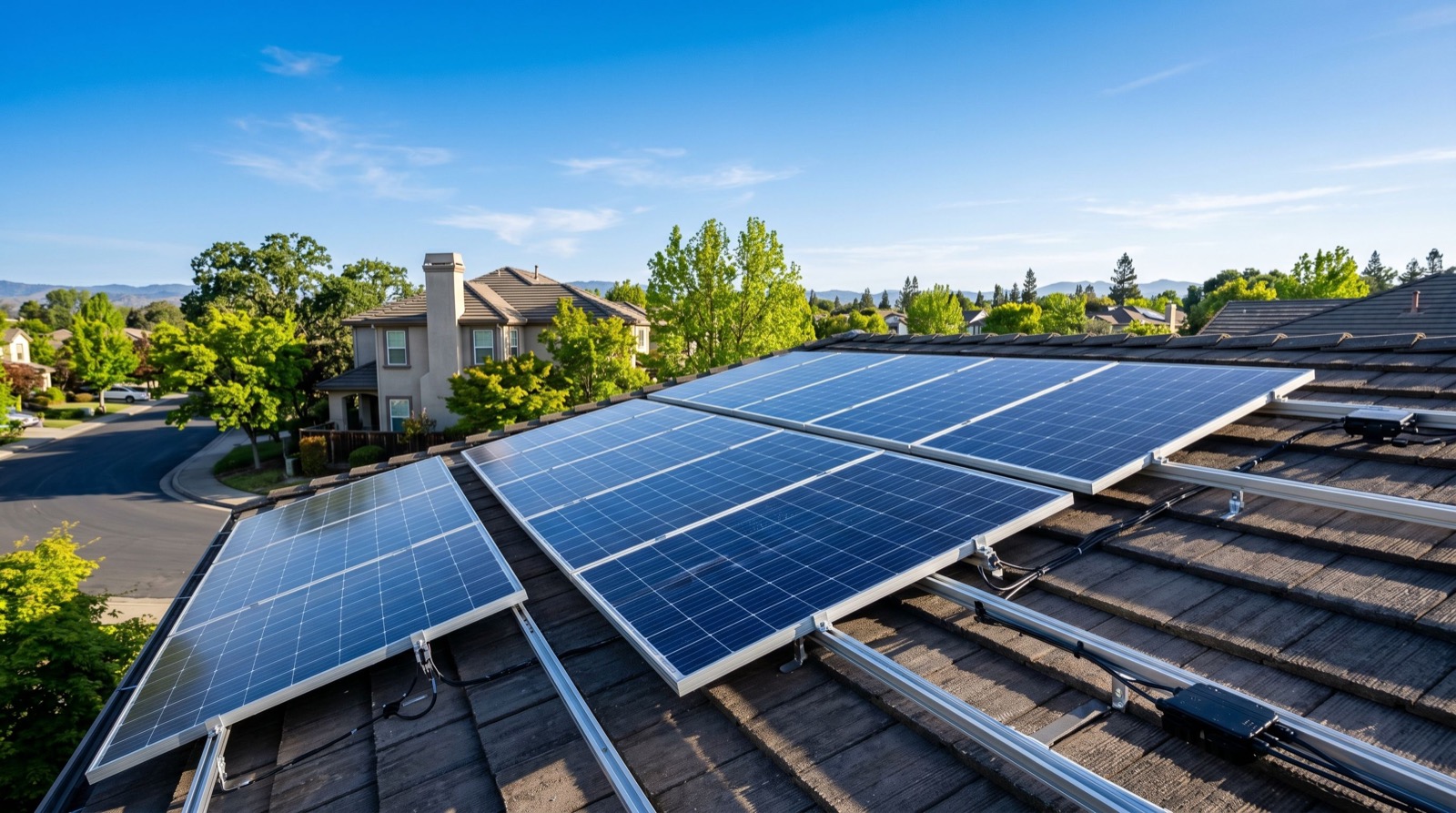
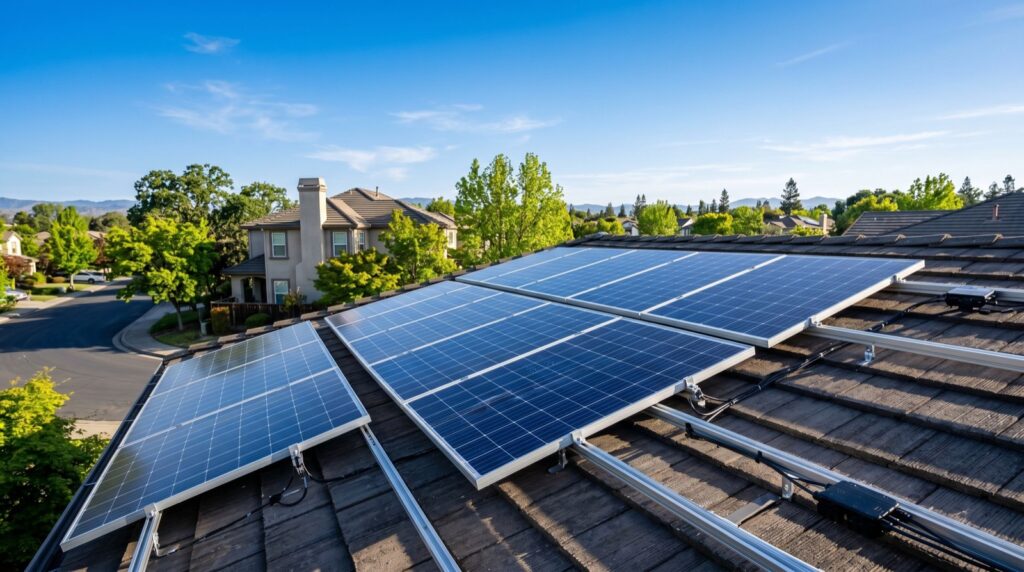
The crew fixes mounting rails, lays and secures panels, runs DC and AC cabling, mounts the inverter, and fits protections and earthing. A standard 5–7 kW home system is typically completed in one to two days.
Stage 4: Net Metering and Commissioning (4–8 Weeks)
Your installer submits the IESCO net-metering application, coordinates the bi-directional meter, and passes the load inspection before final commissioning.
How Long Does the Whole Process Take?
| Phase | Typical duration | Who leads it |
|---|---|---|
| Survey & design | 3–7 days | Installer + you |
| Physical installation | 1–2 days | Installation crew |
| Net-metering approval | 4–8 weeks | Installer + IESCO |
| Total to live export | 5–9 weeks | — |
Your system usually generates power for self-use the moment it is commissioned; net metering simply unlocks the ability to bank surplus units with the grid.
What Equipment Goes Into a Quality Installation?
- Panels: tier-1 mono PERC or N-type modules with a 25-year performance warranty.
- Inverter: an on-grid or hybrid inverter with local service support.
- Mounting: corrosion-resistant aluminium or galvanised rails rated for wind load.
- Safety: DC/AC surge protection, breakers, and a proper earthing system.
- Monitoring: an app so you can track daily generation from your phone.
Net Metering with IESCO Explained
Net metering lets Islamabad homeowners export surplus daytime power and draw it back at night, with IESCO crediting the difference. The buy-back terms are regulated nationally by the National Electric Power Regulatory Authority, ensuring a consistent, transparent framework across distribution companies.
Documents to Prepare Early
- A recent IESCO bill in the owner’s name.
- Owner’s CNIC.
- Load-sanction approval matching your system size.
- Signed net-metering agreement and equipment specs.
Original Tip: Photograph Every Connection Before the Roof Is Sealed
From hands-on experience, the single best thing a homeowner can do is ask the crew to photograph all cable runs, connectors, and the earthing point during installation, before anything is covered or routed out of sight. If a fault ever appears years later, those photos let a technician diagnose the array in minutes instead of dismantling conduit. Reputable installers welcome this; hesitation is a red flag.
Comparing Your Islamabad System Options
On-grid systems deliver the fastest payback but shut down during outages. Hybrid systems add a battery so essentials keep running when the feeder trips. Because the capital still sees occasional outages, many families choose a hybrid with a modest battery. Homeowners planning larger setups often look to firms with a strong footprint for solar company in Faisalabad projects, since cross-city experience usually means tested supply chains and standardised safety practices.
Common Installation Mistakes to Avoid
Even in a city as solar-friendly as Islamabad, a rushed job undermines results. The most frequent problems come from cutting corners on design and paperwork rather than from the panels themselves.
- Ignoring shade: a nearby water tank, parapet, or tree can sap a whole string; insist on a shade study.
- Undersized cabling: thin DC wiring wastes energy and runs hot; demand correctly rated cable.
- Weak mounting: flimsy structures fail in wind gusts; require wind-rated rails and proper anchoring.
- Skipping earthing: a missing earth rod is a safety hazard; verify it is installed and tested.
- No monitoring: without an app you cannot spot underperformance; make sure remote monitoring is included.
A careful installer prevents every one of these. The extra day spent on design and safety pays back across decades of trouble-free generation.
Seasonal Output You Can Expect in the Capital
Islamabad’s generation peaks from spring through early autumn and dips modestly in the foggy heart of winter. Because net metering banks your summer surplus, the winter shortfall is largely absorbed across the year. Sizing for the shoulder seasons, rather than the summer peak alone, keeps your annual credits balanced and your bills consistently low.
Frequently Asked Questions
How disruptive is a solar installation in Islamabad?
Very little. Most home installations finish in one to two days, and the crew works on the roof with minimal impact on daily routines inside the house.
How soon will I see savings after installation?
You start saving from day one of self-use. Once net metering goes live a few weeks later, surplus export credits push your bill down even further.
Do I need to be home during installation?
You should be present at the start for a safety and layout walkthrough and at commissioning for the monitoring-app handover, but you do not need to supervise every hour.
What maintenance does the system need afterwards?
Rinse the panels every few weeks in dry spells, check the monitoring app for faults, and book a professional inspection once a year to protect long-term output.
Conclusion and Next Step
A professional solar installation in Islamabad is a smooth, well-defined journey: survey, design, a quick rooftop install, then net-metering approval. Get those stages right in 2026 and you lock in decades of lower bills and cleaner power. Book a free site survey today, ask for a written generation estimate, and take the first step toward energy independence in the capital.