
There comes a point in almost every established business when the old telephone system starts to feel less like an asset and more like a liability. Bills stay stubbornly high, adding a new extension means waiting for a technician, and remote staff cannot connect to the office line at all. That quiet frustration is usually the signal that it is time to move away from traditional analog wiring and onto a voice-over-internet setup. The migration sounds daunting on paper, yet for the twin cities of Rawalpindi and Islamabad it has become one of the most sensible technology upgrades a company can make.
What holds many owners back is uncertainty about the process rather than doubt about the benefits. They worry about downtime, about staff struggling with unfamiliar handsets, and about numbers being lost in the switch. Those concerns are understandable but almost always overblown, because a well-planned transition can happen over a weekend with your existing phone numbers intact. This article walks through what actually changes when you retire an old PBX, what to prepare in advance, and how to make the shift feel like a routine upgrade rather than a leap into the unknown.
Recognising When Your Old System Has Had Its Day
Analog and early digital PBX hardware served offices faithfully for decades, but the economics no longer add up. Line rental fees pile up, long-distance charges bite hard, and the equipment itself grows harder to repair as spare parts vanish from the market. If your business regularly juggles calls between departments, supports staff who work from home, or plans to open a second location, the rigidity of copper lines becomes a genuine bottleneck. Noticing these limits early lets you plan a calm, deliberate move rather than scrambling for a replacement after a critical failure leaves your phones silent.
What Actually Changes During the Switch
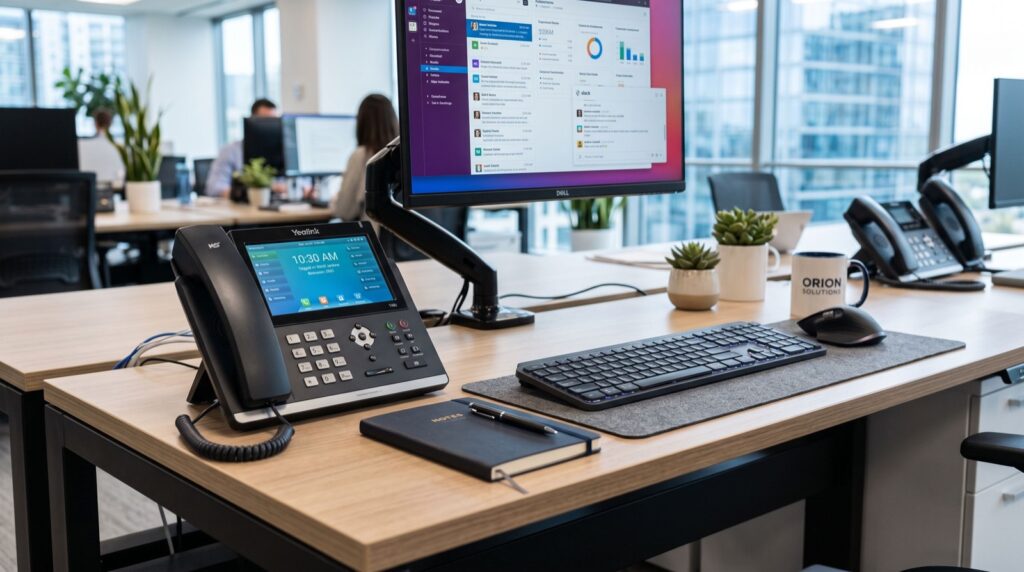
The most reassuring thing to understand is that a migration rarely means tearing everything out at once. Many businesses run their old and new systems side by side for a short overlap, porting numbers gradually and keeping a safety net in place. Your voice traffic simply moves from dedicated phone lines onto your internet connection, and the physical desk phones are replaced with network-connected handsets. Staff still pick up a familiar-looking device and dial as they always have, so the day-to-day experience feels almost identical even though the technology underneath is entirely modern.
Getting Your Network Ready First
Voice over the internet is only as good as the connection carrying it, so the groundwork matters. Before a single new phone arrives, assess your bandwidth, your router, and the quality of your office cabling. A business-grade internet line with a little headroom, combined with a switch that can prioritise voice traffic, prevents the choppy audio that gives VoIP an undeserved bad reputation. Quality of Service settings, which tell your network to treat calls as more urgent than a large file download, are the unglamorous detail that separates a crystal-clear system from a frustrating one. Sorting this out early removes the most common source of post-launch complaints.
Choosing Handsets Your Team Will Actually Enjoy
Hardware choice shapes how quickly staff embrace the change. Look for handsets with intuitive menus, clear displays, and buttons where people expect them, because a phone that feels natural gets adopted without a single training session. For reception desks and busy managers, models with programmable keys and a bright screen make transferring and parking calls effortless. Sourcing reliable Fanvil IP Phones in Rawalpindi from a supplier who can advise on the right model for each role means you avoid the trap of buying one identical phone for the whole office when reception, sales, and back-office staff all have different needs.
Protecting Your Existing Numbers
For most businesses the phone number printed on years of marketing, vehicles, and business cards is far too valuable to lose. The good news is that number porting is a standard, well-established process that carries your existing lines across to the new system. It does take a little lead time, so start the paperwork well before your planned cutover date and confirm the timeline with your provider. Handled properly, customers dialling your familiar number never notice a thing, which is exactly the outcome you want. The seamless continuity is one of the strongest arguments for making the move sooner rather than later.
Training, Testing, and Going Live
The final stretch is where careful planning pays off. Run a pilot with a handful of phones before the full rollout, testing call quality, transfers, voicemail, and conference features under real conditions. Give staff a short, friendly walkthrough of the handful of features that differ from the old system, and keep a simple cheat sheet at each desk for the first week. Working alongside reputable service experts during this phase turns a potentially stressful launch into a smooth, confident switch, because someone experienced is on hand the moment a question arises rather than a day later.
Serving Both Cities From One Flexible System
One of the quiet joys of an internet-based system is how it erases distance. A business with a head office in one city and a branch in another can run both on a single unified platform, with internal calls between sites costing nothing and extensions that reach any desk regardless of location. Companies expanding across the region increasingly pair their Rawalpindi setup with matching fanvil ip phones in Islamabad, giving remote and hybrid staff the same tools and the same reach as everyone in the main office. That unified approach is simply impossible with traditional copper lines tied to a single premises.
Key Takeaways
- Spot the warning signs: rising bills, slow expansion, and disconnected remote staff all signal it is time to migrate.
- Expect a gentle transition: old and new systems can run together while numbers port across gradually.
- Prepare the network first: adequate bandwidth and voice prioritisation prevent choppy audio after launch.
- Match handsets to roles: reception, sales, and back-office staff each benefit from different features.
- Port your numbers early: start the paperwork ahead of time so customers never notice the change.
- Pilot before you commit: a small test run and light training make the full rollout painless.
Making the Move With Confidence
Retiring an ageing phone system is one of those upgrades that feels intimidating until it is done, after which most business owners wonder why they waited so long. The savings on line rental and long-distance charges are immediate, the flexibility for remote and multi-site working is transformative, and the professional features that were once out of reach become part of everyday operations. None of it requires the drama that reluctant owners imagine.
Approach the switch as a planned project rather than an emergency, prepare your network, choose handsets that suit your people, protect your numbers, and lean on experienced help through the cutover. Do that, and your business gains a modern, resilient communication backbone that grows with you across both cities and beyond, ready for whatever the next stage of expansion brings without another expensive rip-and-replace down the line.